Herbal Tea Grow Your Own Kit
Herbal Tea Grow Your Own Kit
By The Plant Gift Co.
Couldn't load pickup availability
Herbal Tea Grow Your Own Kit
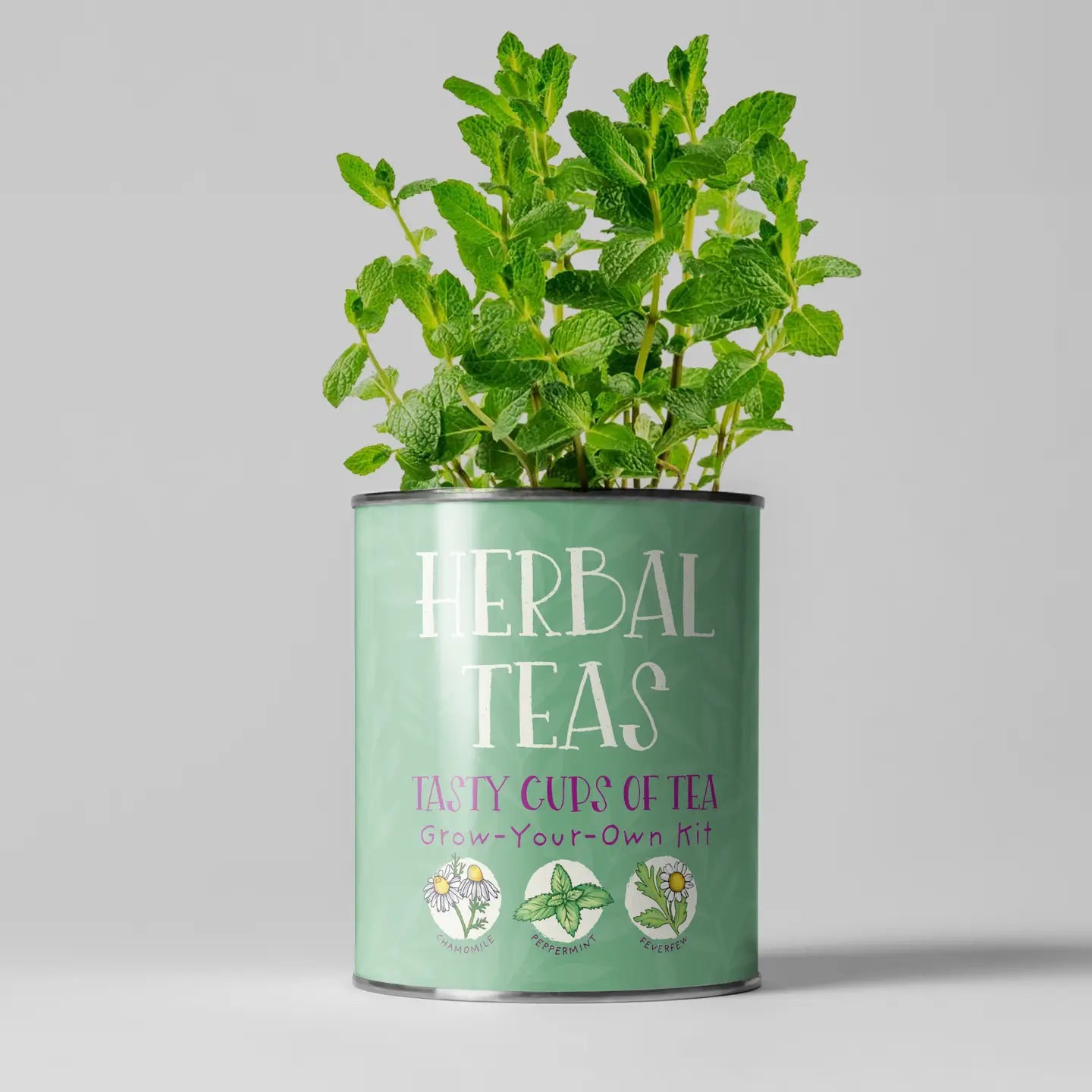
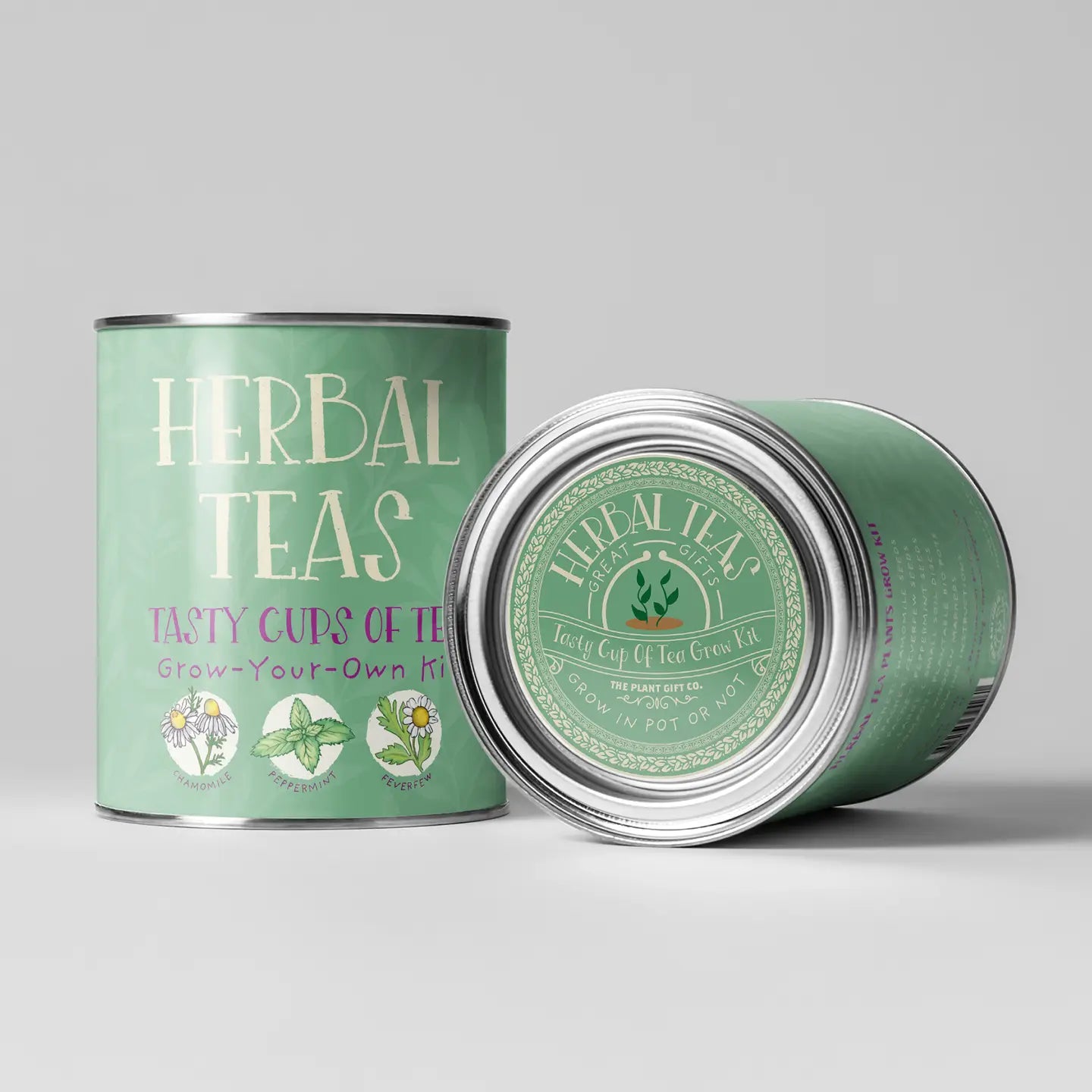
There is something genuinely satisfying about a cup of tea made from a herb you grew yourself. The flavour is brighter, the scent more alive, and the whole ritual of it carries a quiet pleasure that no premium tea brand can quite bottle. This kit contains everything needed to grow three of the finest herbs for a homemade brew: peppermint, chamomile, and feverfew. From seed to cup, without the need for a garden, specialist equipment, or any prior growing experience.
A thoughtful gift for anyone who drinks herbal tea, enjoys growing things, or would simply like to start. Everything is included and presented ready to give.
Key Facts:
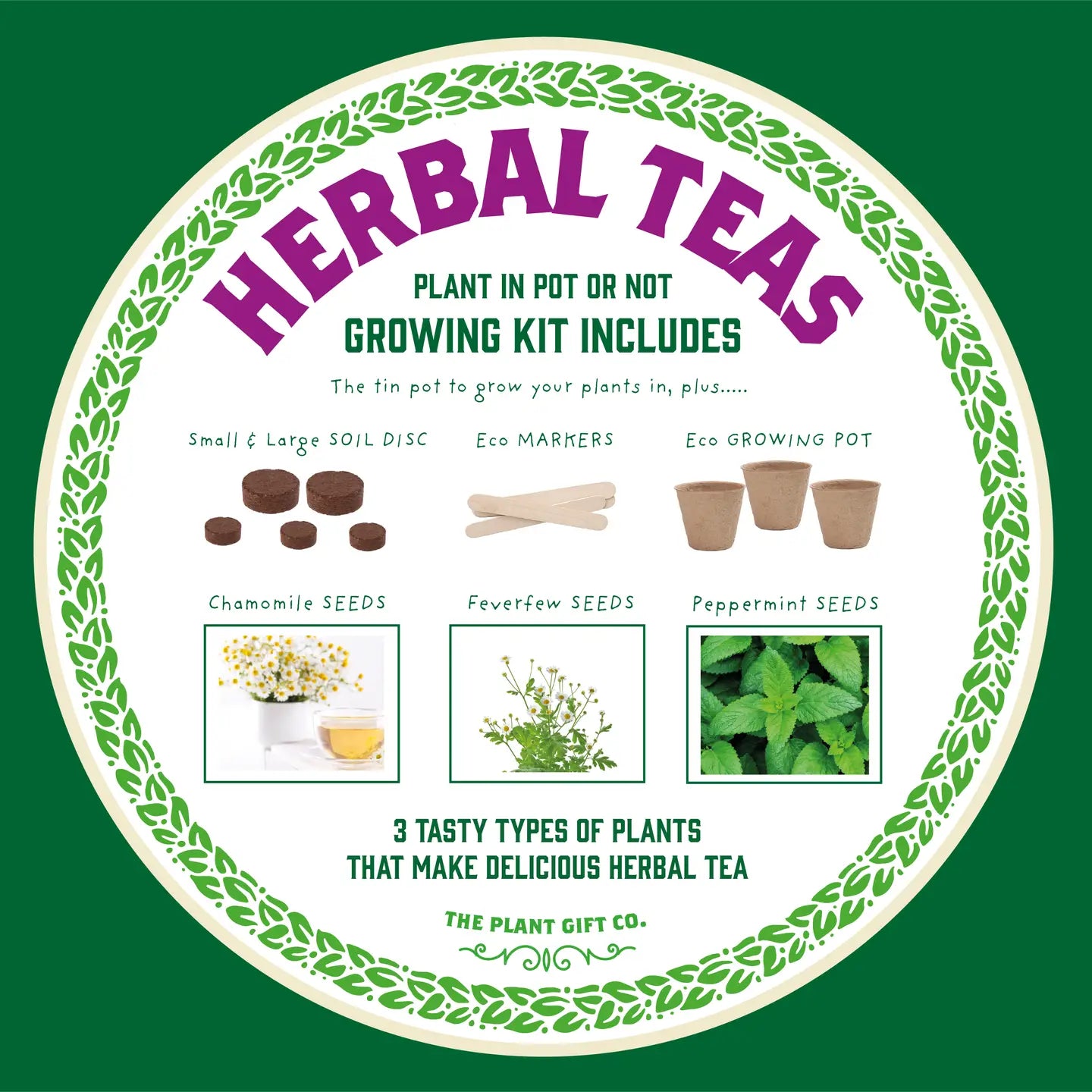
- Three premium seed varieties: peppermint, chamomile, and feverfew
- Biodegradable pots, peat-free growing medium, and plant labels included
- Step-by-step growing instructions inside every pot
- First harvest typically 8 to 12 weeks from sowing
- No garden required: a sunny windowsill is all that's needed
- All growing materials biodegradable, pots recyclable after use
- High germination rate seeds selected for reliable results
What You're Growing and Why It Matters
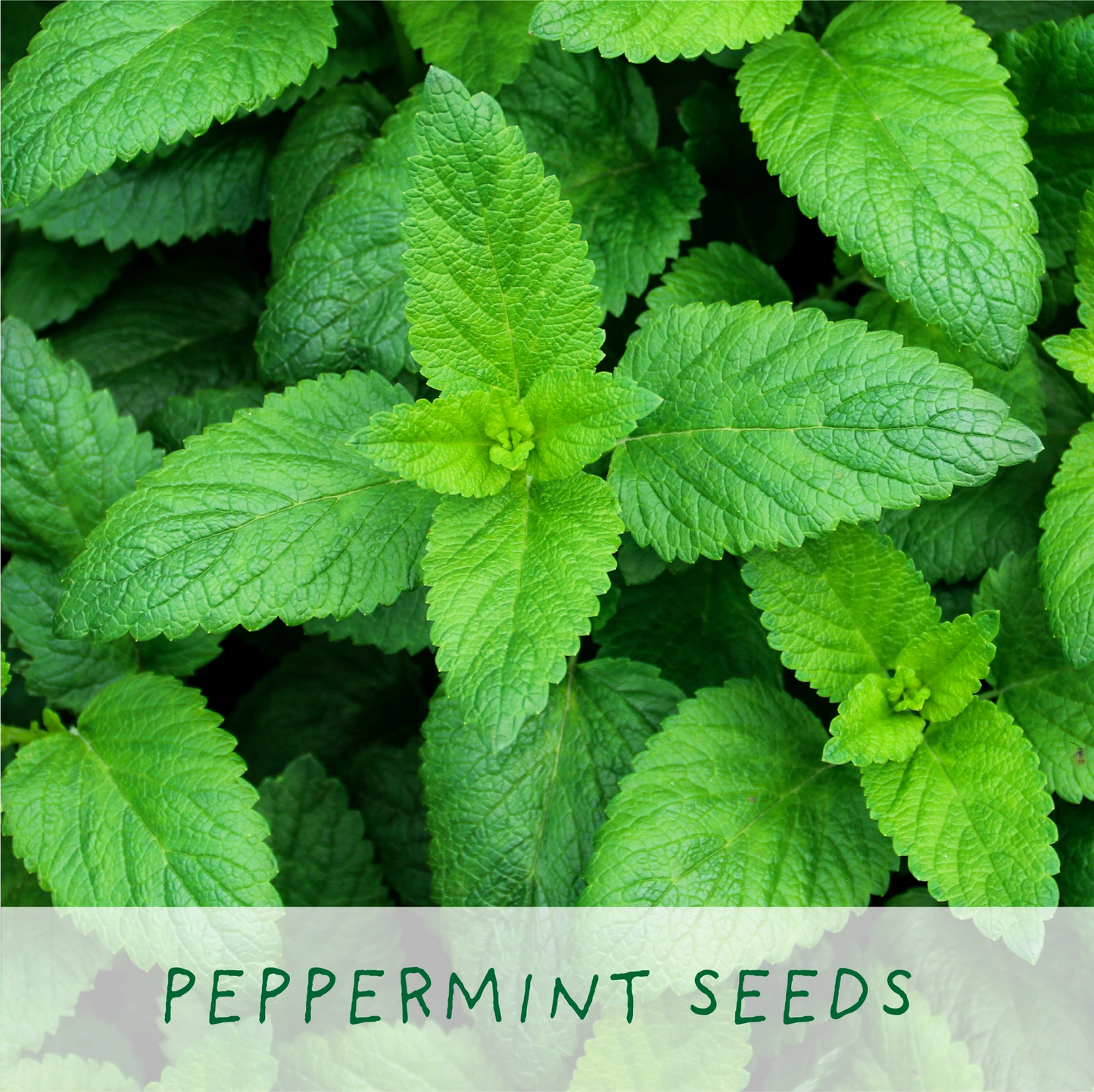
Peppermint is arguably the most satisfying herb in a home growing kit. It grows with genuine enthusiasm, rewards almost any level of attention, and produces a cup that is clean, cooling, and far more alive than anything from a paper sachet. Fresh peppermint tea needs nothing else: a handful of leaves, boiling water left to cool slightly, five minutes, and you have something that a supermarket simply cannot replicate.
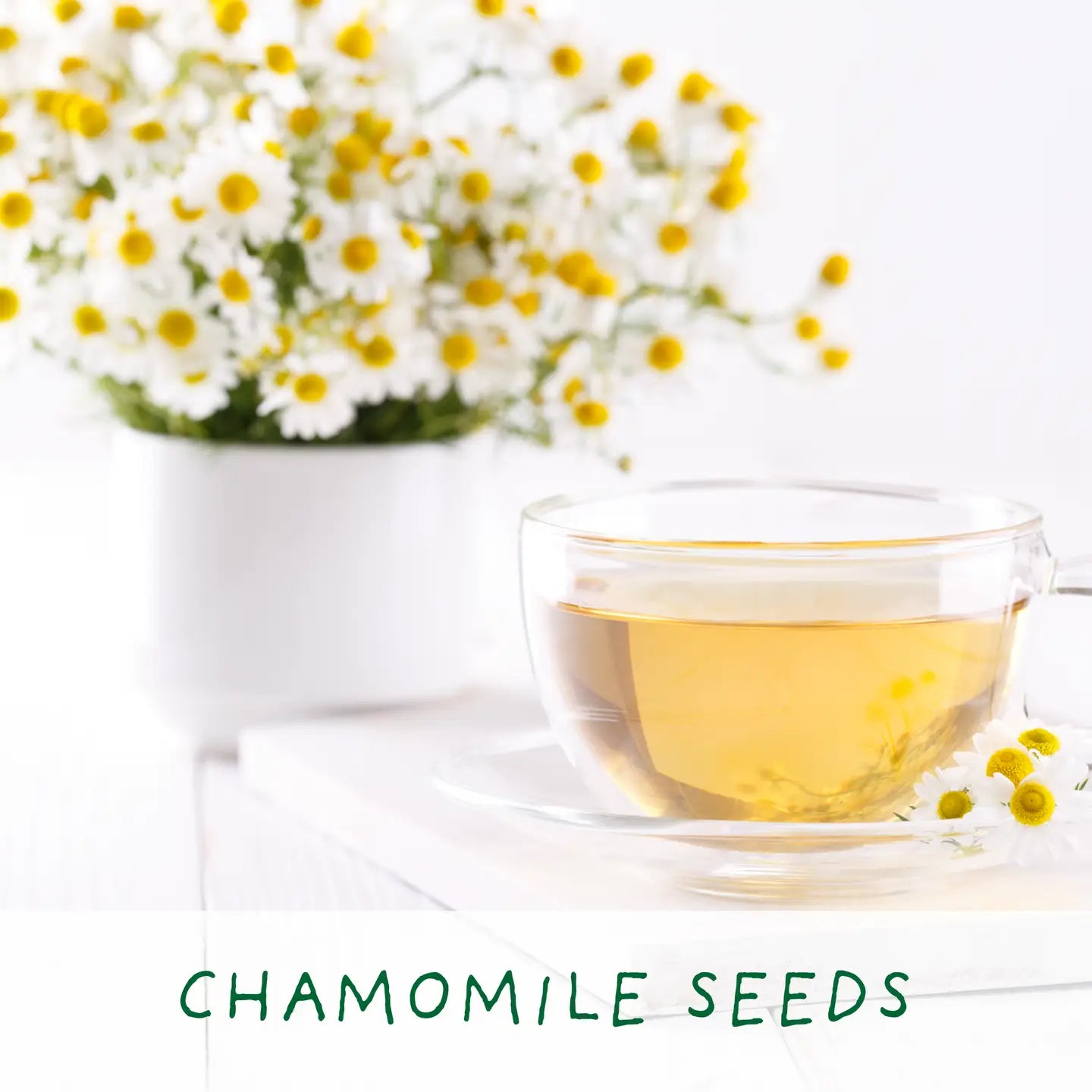
Chamomile takes more patience but earns it. The small, daisy-like flowers carry a gentle apple-honey note that has made chamomile one of the most trusted evening herbs for thousands of years. Caffeine-free, calming without being dull, and genuinely beautiful as a plant in its own right, it is the kind of thing that becomes a quiet ritual. Dried and stored in a jar, a harvest of chamomile flowers will last months.
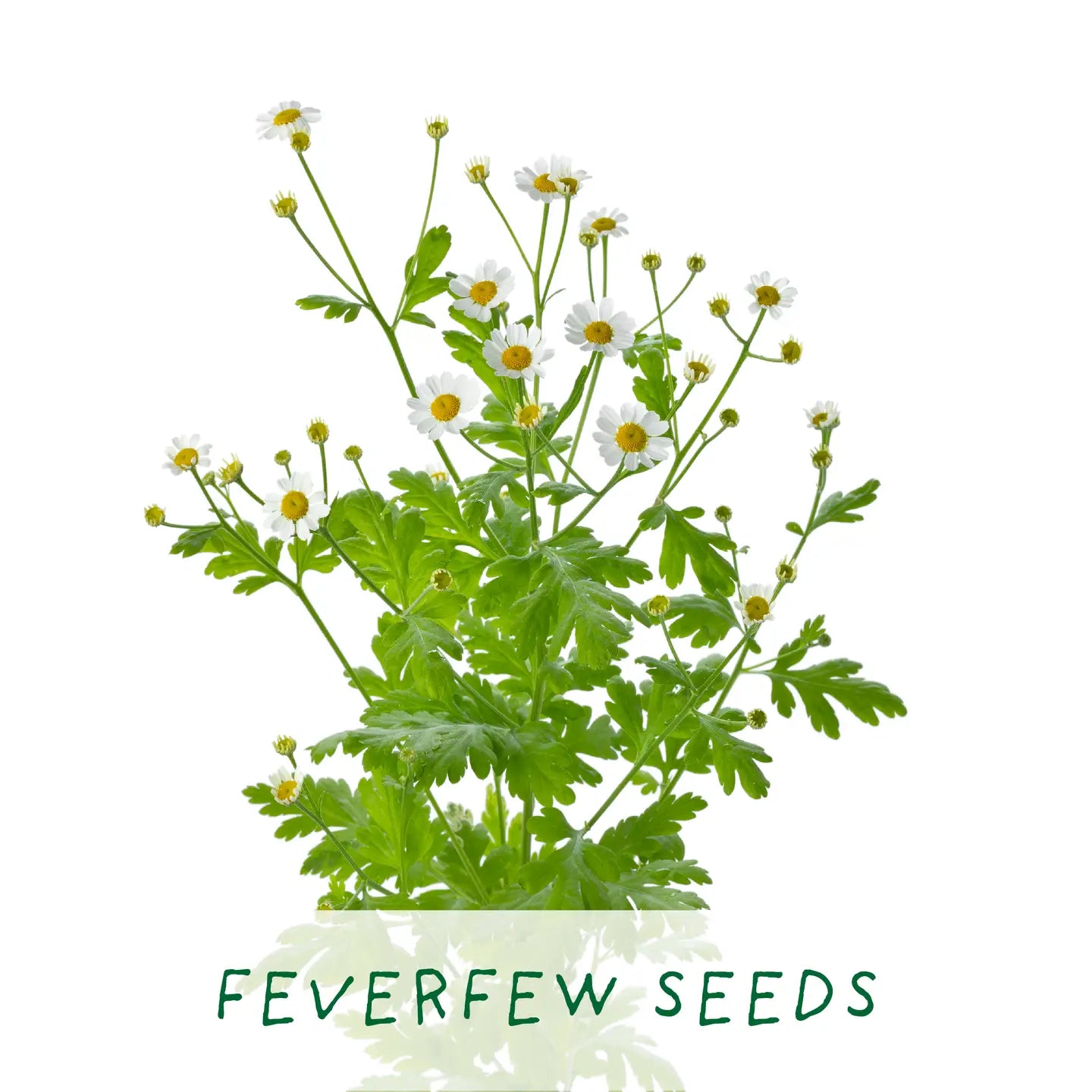
Feverfew is the less expected of the three, and the most interesting. A herb with a long history of traditional use in British herbalism, its feathery leaves and pleasantly bitter edge add complexity when blended with chamomile. Growing it is to connect with something genuinely old, and finding it thriving on a kitchen shelf carries a particular satisfaction.
What This Isn't
This kit will not produce instant results. Seeds take time, and the process of tending something from germination through to harvest is part of what makes the eventual cup worthwhile. If the expectation is a box of teabags, this is not it.
It is also not a complicated gardening project. The instructions are clear, the seeds are chosen for reliable germination, and the setup takes less than twenty minutes. But it does require a little ongoing attention: regular watering, a bright spot, and some patience. The reward is proportionate.
For anyone who has previously attempted to grow herbs and found they did nothing, the most likely culprit is either insufficient light or inconsistent watering. Both are addressed in the instructions.
When It Works Best
Sown in spring or early summer: Seeds sown between March and July establish well and can be harvested before the end of the season. Autumn sowing is also possible, with plants overwintering on a warm windowsill ready to grow strongly in spring.
On a bright windowsill: A south or west-facing kitchen or living room windowsill provides ideal conditions. No greenhouse, no grow lights, no outdoor space required.
As an ongoing project: Peppermint in particular, once established, can be moved to a larger pot and will produce for years. Chamomile self-seeds readily if allowed to flower fully, meaning a single season's growing can lead to plants returning the following year.
As a gift with real thought behind it: For tea drinkers, gardeners, people in flats without outdoor space, or anyone curious about growing their own food and drink, this is a starting point that actually delivers.
How to Grow for Best Results
Fill each biodegradable pot with the included growing medium and sow seeds at the depth indicated on the instruction card. Water gently with a light mist rather than a heavy pour, which can displace small seeds. Placing a clear plastic bag loosely over each pot until germination creates a warm, humid microclimate that encourages sprouting.
Light is the single most important factor. The brightest spot available, ideally a south-facing windowsill, gives the best results. If natural light is limited, germination will be slower and seedlings may become leggy.
Once seedlings appear and reach approximately 5cm, remove the bag and allow them to acclimatise to normal room conditions. From this point, consistent moisture is the main requirement: damp but not waterlogged. A finger pressed into the soil is the most reliable test.
Harvesting peppermint should begin once the plant is well established and at least 15cm tall. Pick from the top, taking no more than a third of the plant at once, to encourage bushy regrowth. Fresh leaves can be used immediately or dried in small bunches hung in a warm, airy spot.
Harvesting chamomile requires waiting for the flowers to fully open. Pick in the morning when the plant's oils are most concentrated. Spread on a tray and dry at room temperature for a week before storing in an airtight jar out of direct light.
Harvesting feverfew follows the same principle as chamomile. Leaves and flowers can both be used. Fresh feverfew is more intensely flavoured than dried, so use sparingly when blending with chamomile or peppermint.
Storage: Dried herbs keep well for up to twelve months in a sealed glass jar stored away from heat and light. Label with the harvest date.
Perfect For
- Tea drinkers who want to understand where their brew comes from
- People in flats or houses without a garden
- Anyone curious about growing their own herbs for the first time
- Experienced growers who want a well-put-together starter kit
- Gifts for birthdays, housewarming, or any occasion that calls for something considered
- Those looking to reduce reliance on packaged tea and single-use sachets
- Anyone who has bought chamomile or peppermint teabags and wondered if they could do better
What Makes This Different
Most grow-your-own kits compromise somewhere: cheap seeds with low germination rates, inadequate growing medium, or instructions that assume knowledge the buyer does not have. The result is something that looks promising in the box and disappoints in practice.
This kit uses seeds selected specifically for high germination rates, peat-free growing medium that performs reliably, and instructions written clearly enough for someone who has never grown anything. The biodegradable pots mean the whole kit can go out in the recycling once the plants have been repotted or the season has ended.
The herb selection is also considered. These are not novelty herbs chosen for their names. Peppermint, chamomile, and feverfew are genuinely useful, genuinely good in the cup, and genuinely rewarding to grow. A kit designed around what the experience actually produces, not just what sells the box.
Realistic Expectations
Not every seed germinates, even from a high-quality batch. Germination rates of 70 to 80 percent are considered excellent, which means one or two seeds in a pot may not appear. This is normal. Sowing two or three seeds per pot, as the instructions suggest, accounts for this.
Growing conditions vary significantly between households. A warm, south-facing kitchen window will produce faster, stronger growth than a north-facing windowsill in an older property. The instructions give guidance on optimising whichever conditions you have.
The first crop will be smaller than subsequent ones. Peppermint in particular grows more vigorously in its second season once the root system is established. Consider the first year the foundation, and the years that follow the reward.
What's Included
- Premium peppermint seeds
- Premium chamomile seeds
- Premium feverfew seeds
- Biodegradable growing pots
- Peat-free growing medium
- Wooden plant labels
- Step-by-step growing instructions inside each pot
- Presented ready to gift
Additional Product Details
Dimensions: Approximately 12 x 12 x 11 cm
Suitable for: Indoor growing on a bright windowsill
Best sowing time: March through July, or early autumn
Time to first harvest: 8 to 12 weeks from sowing
Pot material: Biodegradable, recyclable after use
Growing medium: Peat-free
Seeds: High germination rate selection
Not suitable for children under 3 years due to small parts. Always check for allergies before consuming home-grown herbs. Consult a healthcare professional before use if pregnant, nursing, or taking medication.
Share